When people talk about “stakes” in gambling, they’re talking about the amount of money they’re putting on the line. It’s the risk. It’s what you’re willing to lose for a chance to win something bigger.
MyStake Casino is simply a platform where users place those stakes, whether that’s on slots, live casino tables, poker-style games, or other betting options. The name itself plays on that idea: you bring your stake, you choose your game, and you accept the outcome.
But the word “stakes” isn’t just about money. It’s about risk versus reward. The higher the stakes, the bigger the potential win, and the bigger the potential loss. That balance is at the heart of every gambling decision.
When I first looked into MyStake Casino, it immediately felt different from many traditional online gambling platforms. The Stake website puts a strong focus on crypto payments, fast transactions, and a clean interface that feels modern instead of outdated. I was able to create an account quickly, deposit funds, and get started without unnecessary delays.
From what I found while researching the company, Stake was founded in 2017 as a crypto-first platform. Since then, it has grown into a large company with international users. What stood out to me was how it combines slots, poker-style games, sports betting, and live casino tables under one account system. The whole process felt built around speed, easy transfers, and smooth movement of funds.
While using the platform, I noticed that Stake Casino stands out because it mixes mainstream casino games with in-house originals. I found regular slots and live tables, but also crash-style games and other formats created directly for the site. Some of these games use provably fair systems, which gave me more confidence because outcomes can be verified instead of blindly trusted. The mobile application also made access easier when switching devices.
I also noticed frequent bonuses, races, and VIP rewards designed to keep users engaged. Still, my main takeaway was simple: it is still gambling. It is not a financial product or an investment, and real financial risks remain if money is not managed carefully.
From my experience, a stake is simply the amount of money I risk on a single bet.
If I spin a slot for $2, that’s my stake.
If I place $50 on a blackjack hand, that’s my stake.
If I bet $10 on a football match, that’s my stake.
It’s the money I’m putting forward, knowing I could lose it.
What I’ve noticed is that stakes matter because they control how fast an account balance moves. Small stakes usually mean longer playtime and lower pressure. Bigger stakes can lead to bigger wins, but they also increase the speed at which money can be lost.
Many experienced users don’t randomly choose a stake amount. They decide in advance what they feel comfortable risking per session. They also avoid putting more money in emotionally after a loss, and that is where many customers run into trouble.
I personally think of a stake as a risk setting that I control. Once I understood that, gambling felt less about chasing a win and more about managing exposure. In simple terms, your stake is your risk.
When I used the Stake website, it felt like most modern online gambling platforms, but with a stronger focus on speed, crypto payments, and a simplified user experience. The process was straightforward for me: I created an account, deposited money, chose a game, and placed my stakes.
I also found the platform easy to navigate, with fast access to slots, live casino tables, poker-style games, and sports betting markets. I could move funds quickly, manage my account, and use different payment tools without unnecessary delays.
Still, my biggest reminder was that gambling is not an investment strategy. You can gain money, but you can absolutely lose it too. That is why understanding how the whole process works really matters.
The first step I took on the Stake website was creating an account. The sign-up process felt simple and only took a few minutes, but I still made sure to do everything properly.
Here’s how it usually went for me:
I visited the official Stake website.
First, I checked that I was on the correct and secure page before entering any personal data.
I clicked “Sign Up” and entered my details.
I added my email and created a password. I made sure it was secure since the account would hold my funds.
I verified my email address.
A confirmation message arrived quickly, and once I completed that step, my account became active.
I completed identity verification when required.
Depending on jurisdiction, deposit size, or later withdrawal requests, I noticed the platform may ask for documents. This looked like part of the security process and helps protect users and the company.
What also stood out to me was that creating an account means agreeing to the platform’s rules and restrictions. Many users skip that page, but I found it important. It covers bet limits, bonuses, withdrawal conditions, and how disputes are handled. If I later claim a bonus or request a withdrawal, those terms apply.
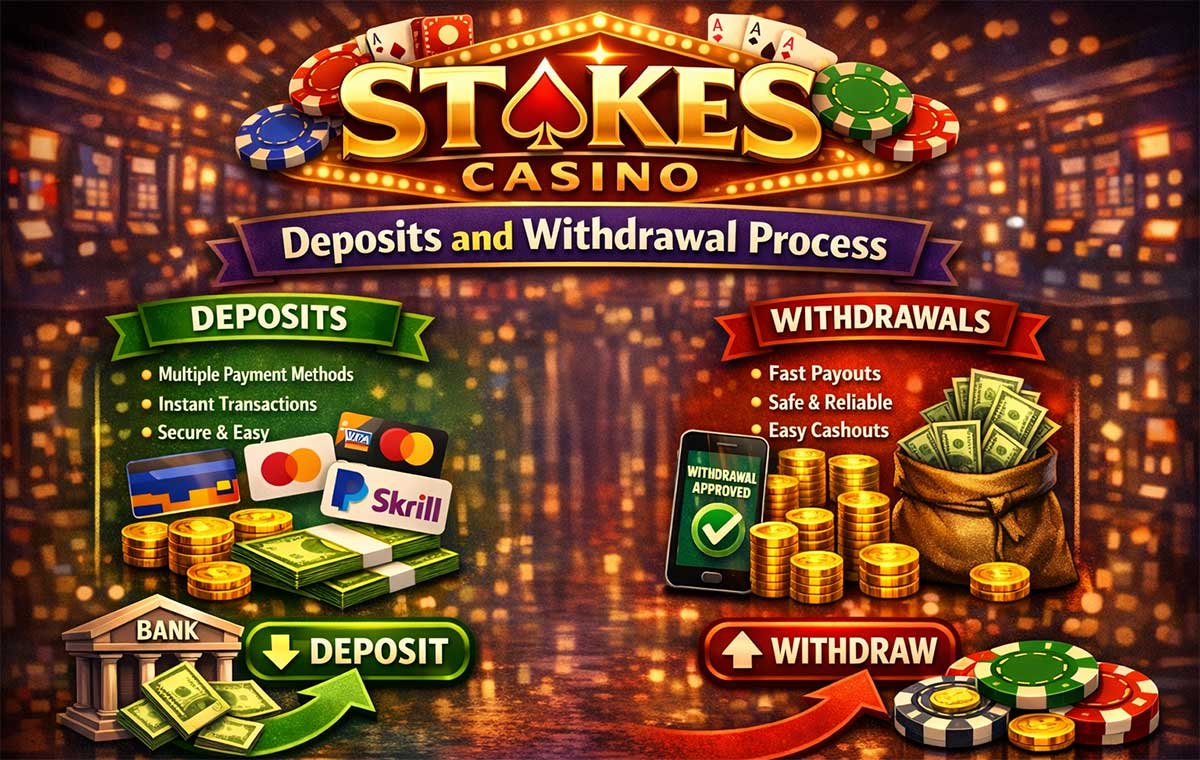
When I deposited funds on MyStake, the whole process felt designed to be fast. The platform is well known for supporting digital currencies, but I also noticed other payment methods depending on region. The deposit process was simple:
I chose my payment method.
I entered the amount I wanted to deposit.
I confirmed the transfer.
Funds usually appeared quickly in my account. That is one reason the platform became popular among users who prefer fast execution.
Withdrawals followed a similar process when I checked them. I requested a withdrawal, confirmed wallet or bank details, and waited for processing. In many cases, especially with crypto, the transfer can be completed within hours.
Still, I noticed some restrictions may apply. Certain bonuses require wagering before funds can be withdrawn. That is why reading the rules is essential. If you skip that step, you might claim a prize or bonus without realizing the conditions attached to it.
My biggest reminder was simple: you are putting real money at risk. Every deposit is a decision, and every withdrawal is the result of wins, or sometimes damage control after losses.
From what I found while using Stake, the platform operates under a specific jurisdiction, which means it is legally bound by licensing rules. Depending on where I live, certain restrictions may apply.
I also noticed that some countries block access to gambling platforms entirely. Others allow it but require local compliance. That made it clear to me that every user should check whether online gambling is legal in their own area before creating an account.
The company also applies internal restrictions such as:
Minimum deposit amounts
Maximum withdrawal limits
Bonus terms
Account verification rules
What stood out to me was that these rules are not random. They are part of the regulatory structure and overall risk management process. Stake is not a bank, and it is not offering financial products in the traditional sense. It is a gambling platform.
What felt like the heart of the MyStake site to me was its game library. I found a wide mix of options, including:
Slots
Poker-style games
Sports betting markets
Live casino tables
The live casino section let me interact with real dealers in real time, which felt much closer to a physical gambling ground experience. Streams were smooth, and overall execution felt fast.
Slots stood out because they were simple to play. I chose my stake, pressed spin, and waited for the result. Poker-style games appealed more when I wanted strategy. I also noticed some game titles were provably fair, meaning users can verify outcomes through cryptographic methods.
Still, every game carries risks. The reward can be exciting, but the loss can be immediate. That is simply the nature of gambling.
From what I experienced, Stake’s reputation is strongly tied to fast payments, crypto integration, and a modern design. The company built its brand heavily online and attracted a large group of users worldwide.
What became clear to me is that reputation in gambling means everything. If customers do not trust withdrawals, the platform fails quickly. That is why security and fast execution matter so much.
I also noticed Stake provides live support through chat. Users can contact the support team 24/7. Whether the issue is a deposit problem, withdrawal delay, account verification, or bonuses, assistance is usually available quickly.
If I ever felt gambling was affecting my financial life, I would see it as a sign to pause. The platform offers tools that can help limit activity, set deposit caps, or temporarily restrict account access.
My main takeaway is that stakes are about risk. MyStake as a platform simply felt like a place where those risks are executed digitally.
The MyStake site came across as fast, modern, and built around crypto-friendly infrastructure. I found a wide selection of games, live casino features, and frequent bonuses. It also operates within rules and restrictions tied to its jurisdiction.
But to be clear, gambling is not investing. It is not a financial product designed to grow assets over time. You can gain money, and you can lose money. That is the balance every user accepts.
If I decide to play, I see it as something that should always be done responsibly. Set limits, never put funds you cannot afford to lose, and treat it as entertainment rather than an investment strategy.
Stakes are the amount of money you risk on a single bet or game round.
The platform uses encryption and verification processes to protect user data and funds.
Withdrawal speed depends on the payment method, but crypto transfers are typically processed quickly.
No. It is a gambling platform, not an investment service.
Yes, live support is available through online chat to assist users with account and payment questions.

Emil reviews gambling platforms and compares casino bonuses, payment systems and payout reliability.